3 min read
Looking to impress your customers with sustainable, custom packaging?
If the Earth had a “bank account”, we would be spending faster than we earn. Earth Overshoot Day 2025 fell on 24 July, meaning that humanity is consuming resources about 1.8 times faster than the planet can regenerate them. Global society currently consumes more than 100 billion tonnes of materials per year (biomass, fossil fuels, metals, minerals). The fundamental problem with the economy is that it is focused on speed and quantity rather than sustainability. The good news is that a practical alternative exists and it’s called the circular economy.
But what exactly is the circular economy?
The circular economy is an approach that aims to design products and systems that allow materials to be used for longer and do not produce waste as a default outcome. Instead of creating value once and then throwing it away, the circular economy ensures that value circulates through reuse, repair, refurbishment, regeneration and (if necessary) recycling. At the heart of this are three simple principles:
elimination of waste and pollution
recycling of products and materials at maximum value
regeneration of nature
Circular vs linear: the difference is clear
Much of our current knowledge is based on the linear economy: extraction → production → use → disposal. This is a one-way flow of materials, in which resources are extracted, transformed into products, used for a short period of time and then treated as waste. The circular economy proposes the opposite logic: designing products and systems in which materials remain in use for longer and their value is preserved through reuse, repair, reconditioning, regeneration and recycling. Put simply, the linear economy is a direct route to waste, while the circular economy is a cycle that aims to prevent waste production.
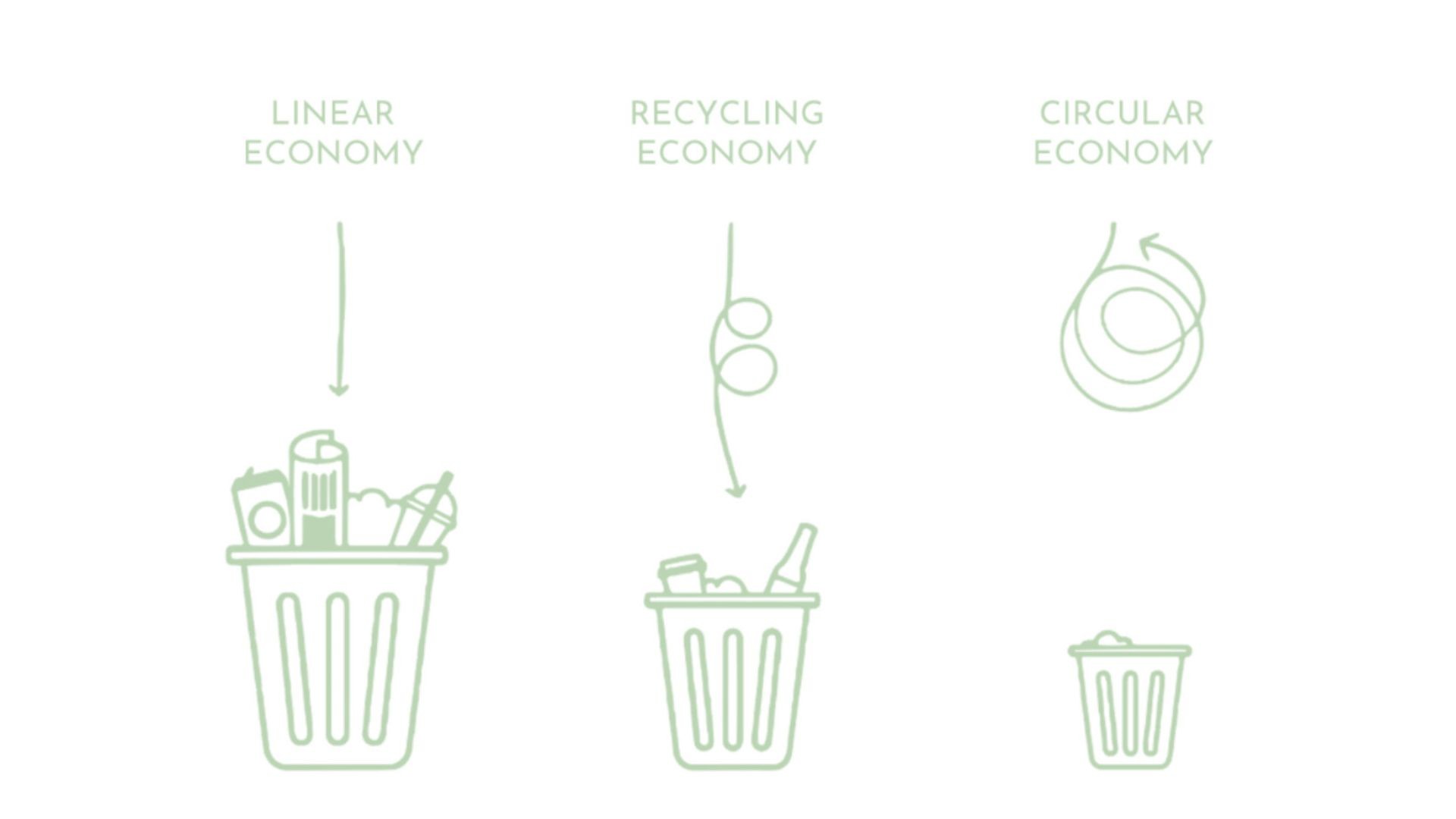
What circularity looks like in packaging
In the EU alone, 177.8 kg of packaging waste per capita was produced in 2023 (Source: European Commission). For this reason, packaging is often used as an example for the circular economy. It is everywhere, moves quickly and is often designed for single use. Reusable packaging is one of the most obvious circular models as it keeps the same packaging in circulation for multiple cycles and reduces packaging waste over time.
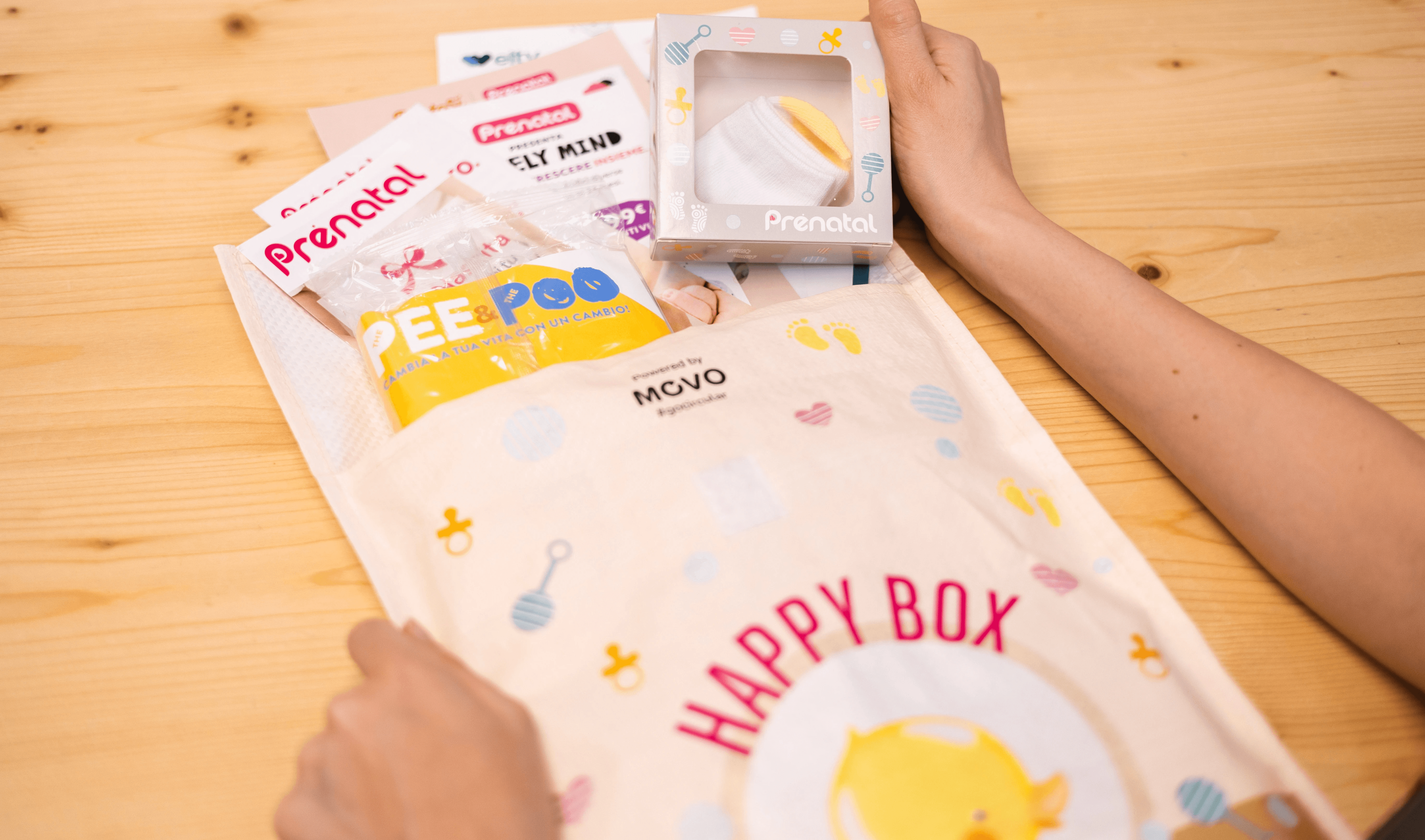
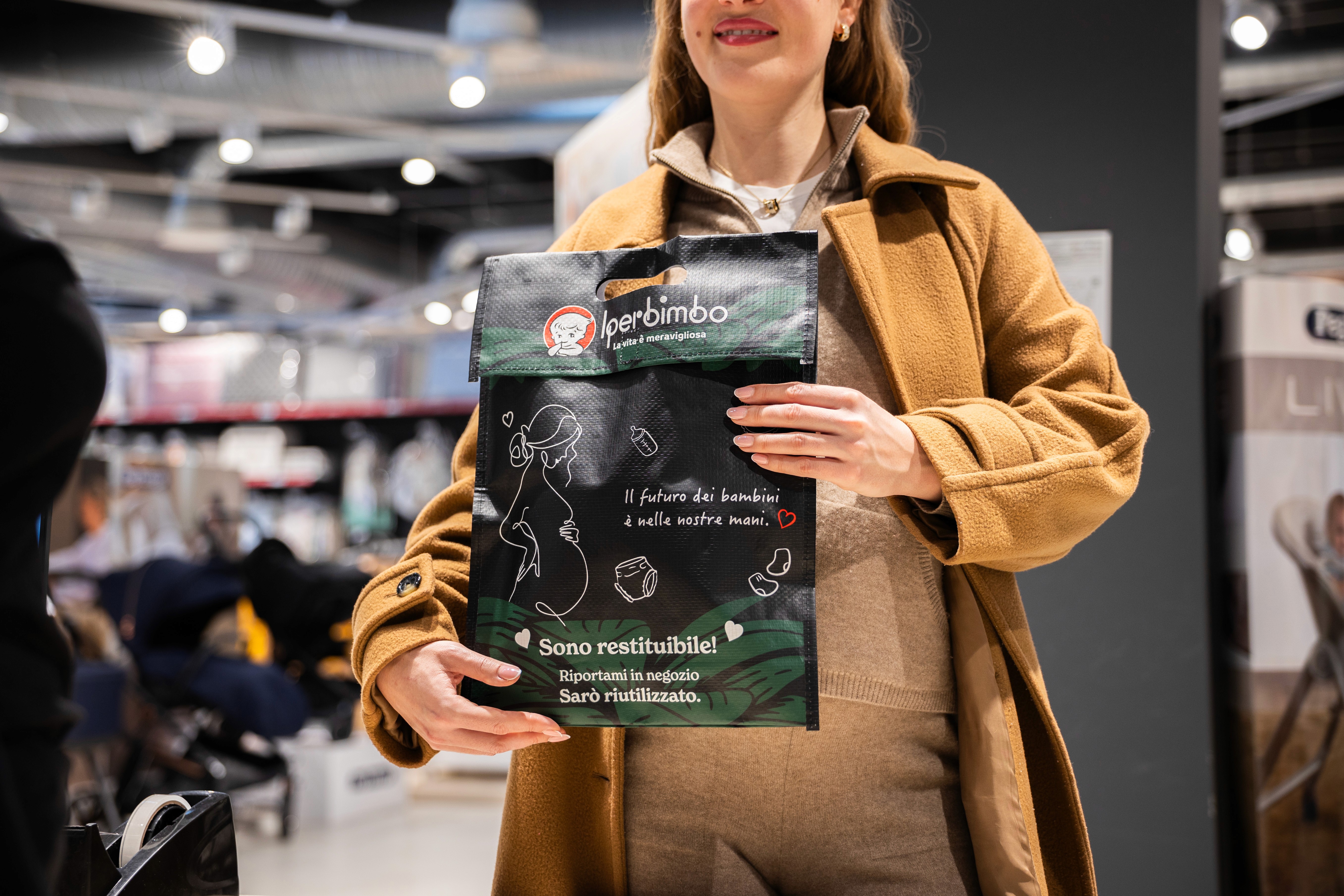
Movopack reusable packaging is a practical example of this type of circular economy: a solution designed for sustainability, in which packaging is designed to be returned, reused and retain its value in the cycle, instead of becoming waste after a single shipment. If you’re curious about the concrete benefits, you can explore Movopack’s impact and sustainability results here.
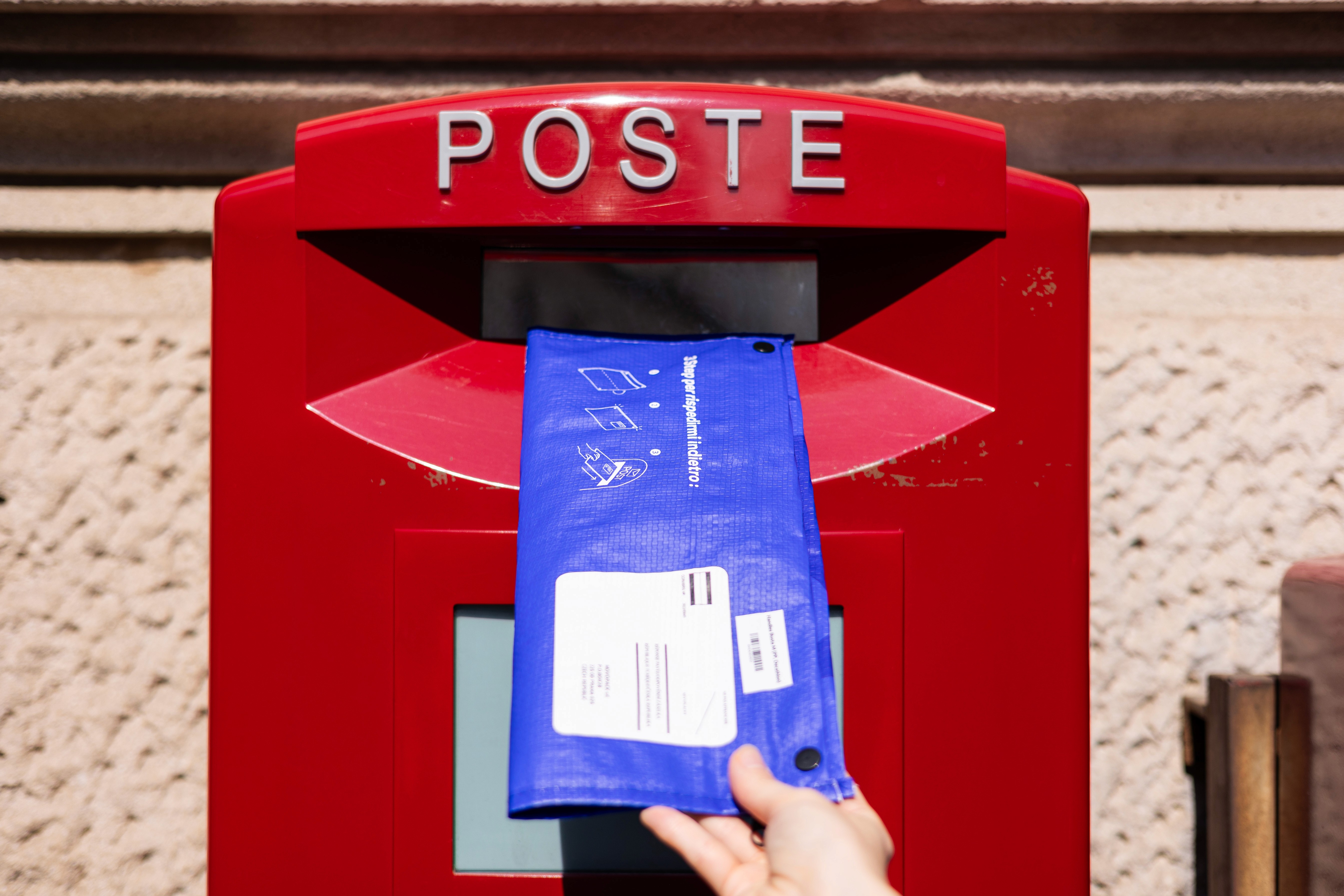
Want to experience circular packaging in real life? Request a free sample of Movopack reusable packaging and find out how reuse can work for your brand.
Looking to impress your customers with sustainable, custom packaging?
Related post
Explore our latest thoughts on reusable packaging.