3 min read
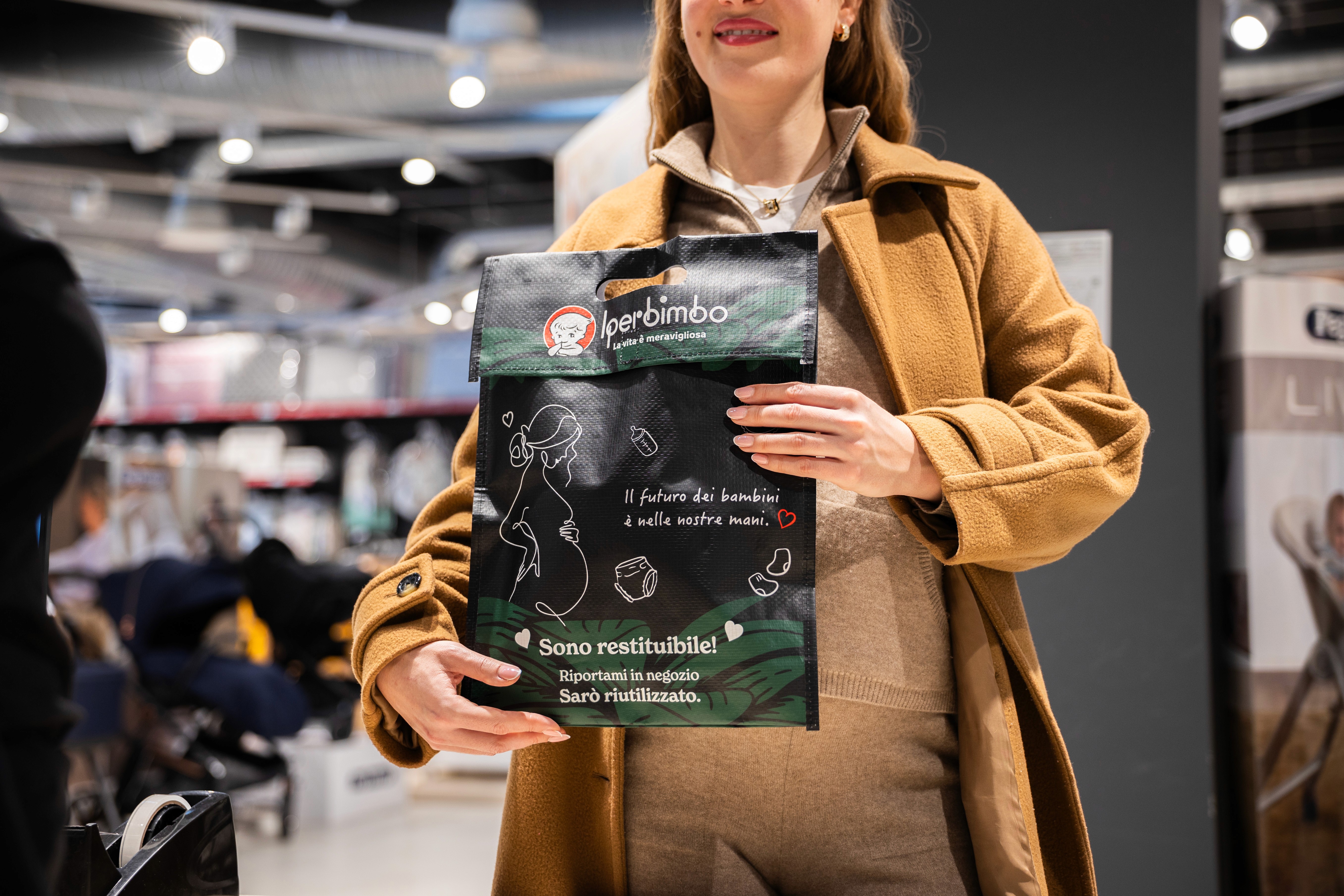
Looking to impress your customers with sustainable, custom packaging?
Walk into almost any fashion or lifestyle store today and you'll notice something: the plastic bag is gone. In its place, a kraft paper bag sits neatly on the counter. It feels right. It looks sustainable. It tells a story that both retailers and consumers want to believe.
And for years, that story has gone largely unchallenged.
"Better than plastic" however is a low bar. And in 2026, with climate commitments, ESG reporting, and increasingly savvy consumers raising the stakes for brands, a low bar is no longer enough.
Are paper bags more sustainable than plastic?
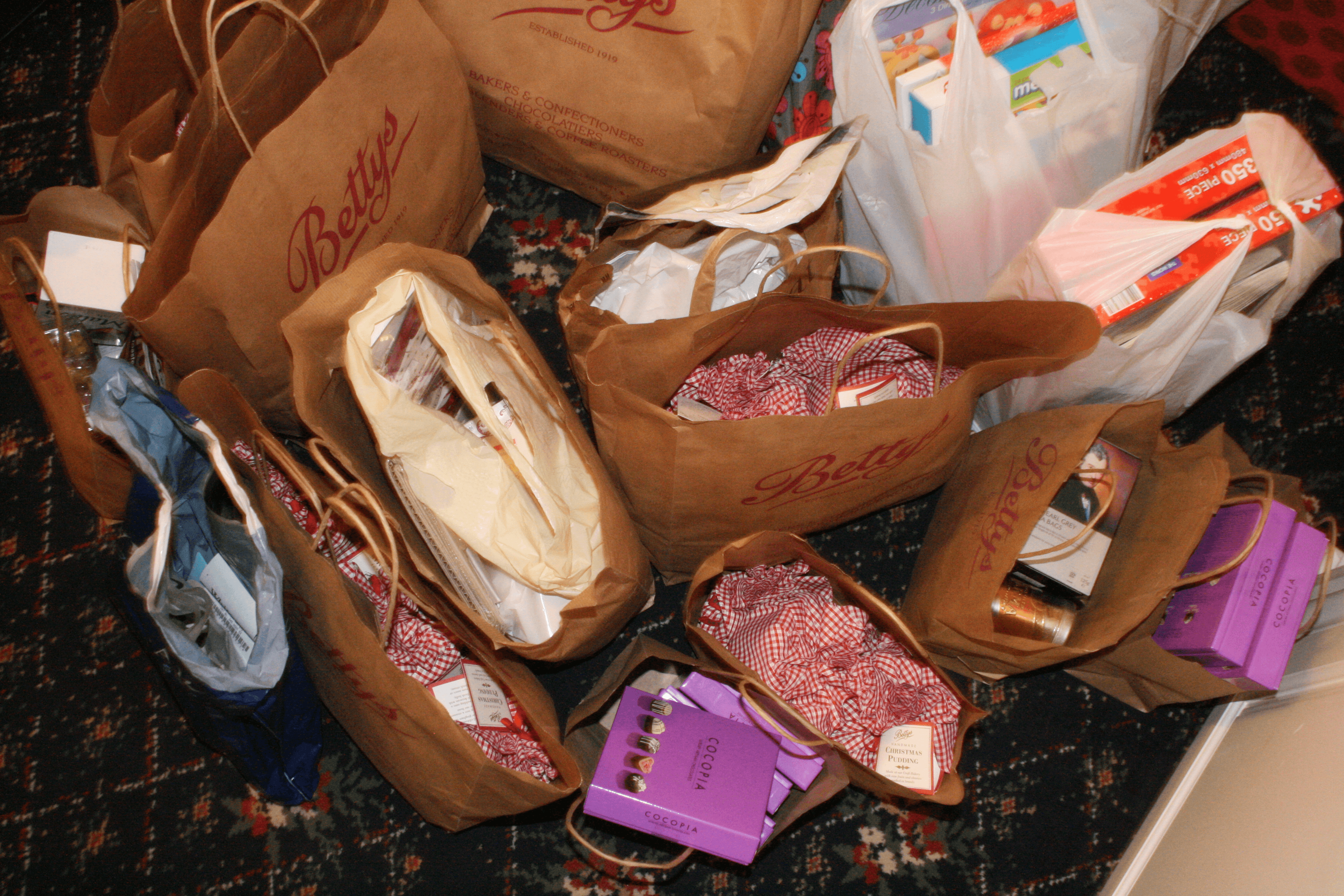
The coloured paper bag has become the default symbol of sustainable retail packaging. It's biodegradable and made from a natural material, but there's a critical factor that rarely makes it into the marketing conversation: it's still single-use.
And single-use, regardless of the material, carries an enormous environmental burden. To manufacture coloured paper bags, you need trees, water, chemicals, energy, and transportation. The production process for paper is, in fact, significantly more resource-intensive than most people assume.
This is precisely the problem that Movopack was built to solve.
What Is a Life Cycle Assessment (LCA)?
Sustainable packaging decisions should be grounded in data, not perception. That principle led Movopack to commission a rigorous, independent Life Cycle Assessment (LCA) - conducted by Life Cycle Engineering SpA - specifically focused on the physical retail sector.
What is a Life Cycle Assessment (LCA)? An LCA is the gold standard of environmental impact measurement. It analyses every stage of a product's life, including:
raw material extraction
manufacturing
transportation
product use
end-of-life disposal
It measures key sustainability indicators, such as carbon footprint (CO2 emissions), energy consumption and water usage.
The study set out to answer a precise question: what is the true environmental cost of a single-use coloured paper bag, compared to Movopack's reusable shopping bag, when used in a retail context?
Paper bags vs. reusable shopping bags: what the LCA found
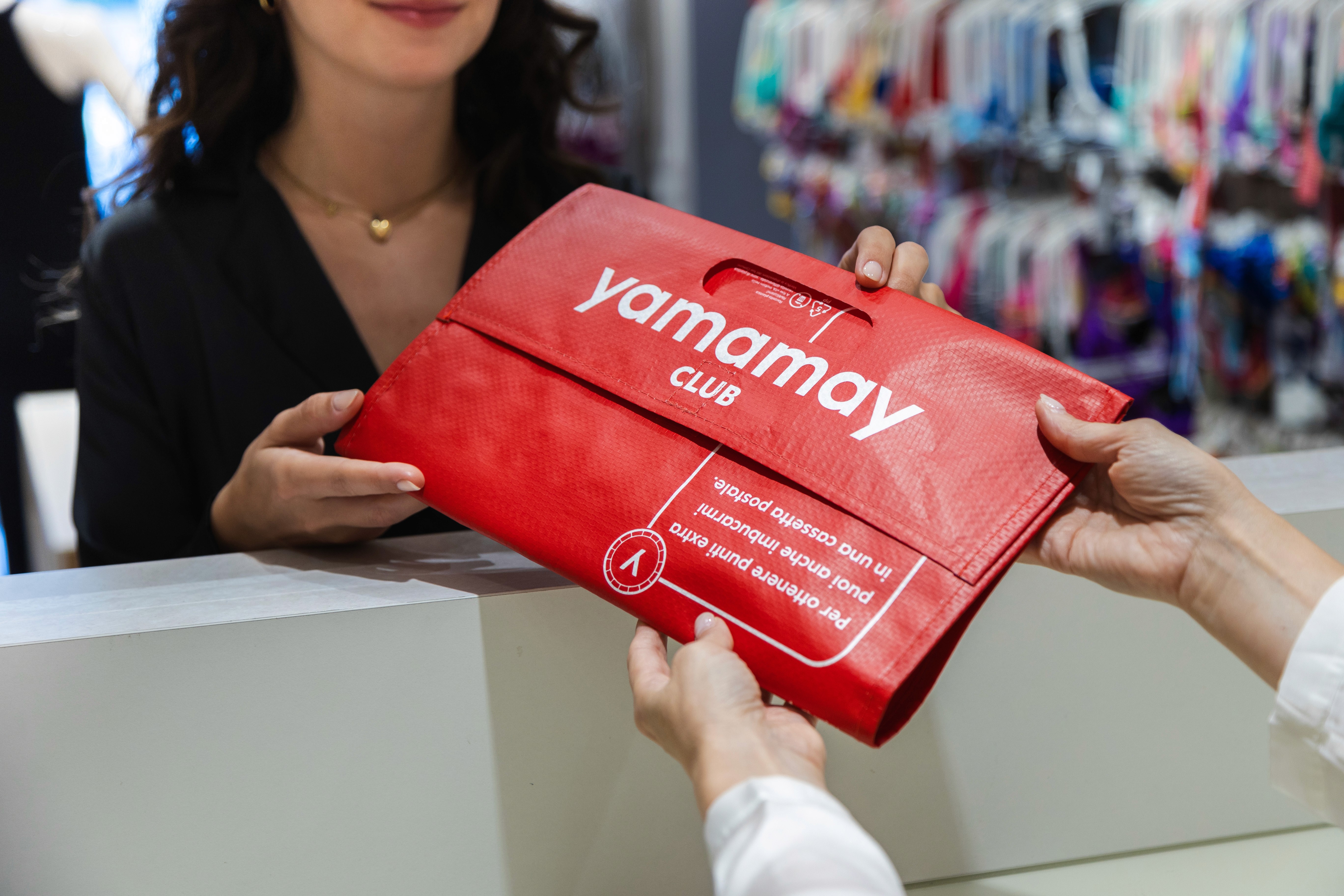
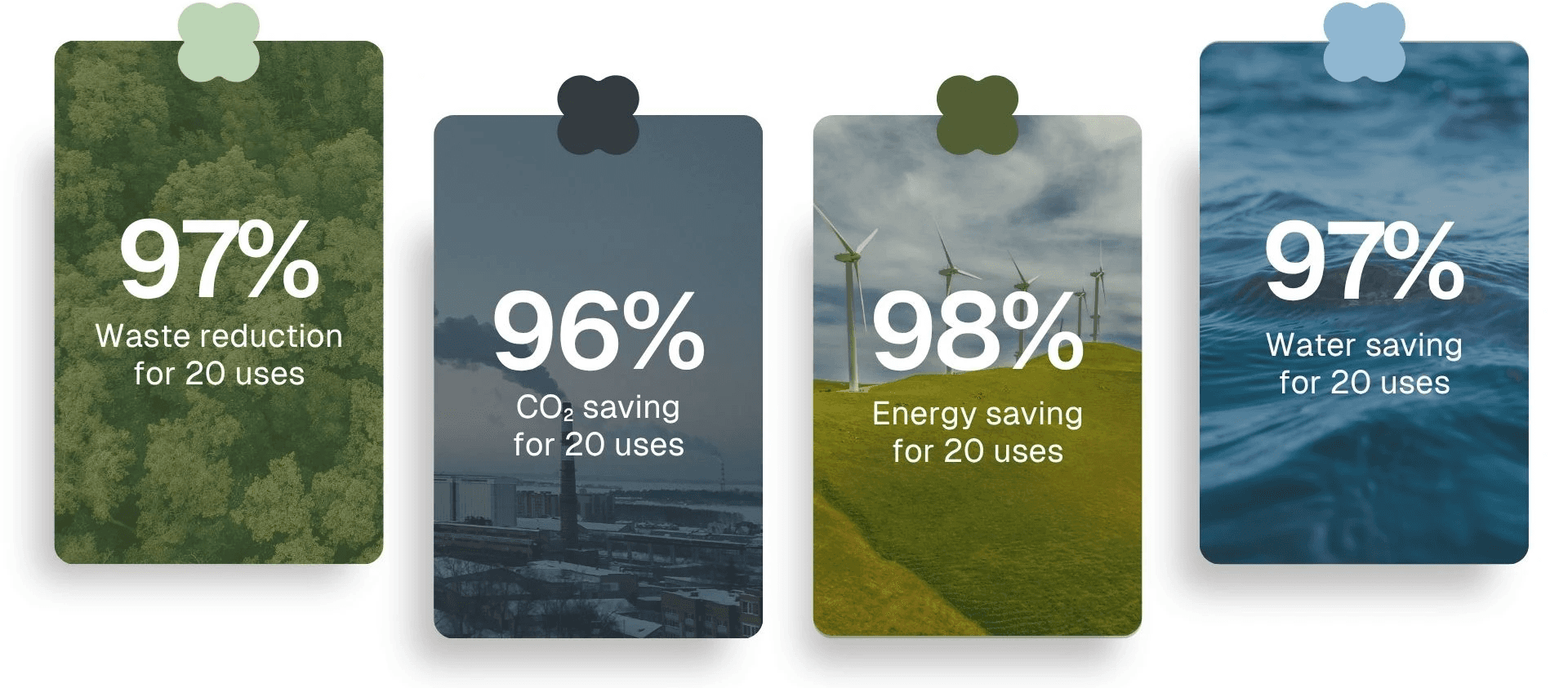
When Movopack's reusable shopping bag is used 20 times, replacing 20 single-use paper bags, the environmental impact across every category studied drops by an almost unimaginable margin.
97% less waste generated. Every paper bag a retailer hands out becomes waste almost immediately. Across 20 uses of a Movopack reusable bag, waste generation is reduced by 97% compared to using 20 individual paper bags.
96% lower CO₂ emissions. Switching to a reusable model cuts CO₂ emissions by 96% over the same number of uses.
98% less energy consumed. Paper production is highly energy-intensive. Across 20 uses, reusable packaging reduces energy consumption by 98%, nearly eliminating the energy burden associated with single-use packaging.
97% less water used. Reusable shopping bags also reduce water consumption by 97%, compared to single-use paper packaging.
Why reusable packaging matters for retailers in 2026
As brands face increasing pressure around ESG goals, sustainability reporting, PPWR and consumer expectations, reusable shopping bags offer retailers a way to dramatically reduce waste, CO₂ emissions and energy consumption across the entire packaging lifecycle, compared to single-use paper bags. The LCA shows that material alone is not the full story. What matters is how packaging is produced, how often it is used, and what happens at the end of its life.
Curious to explore the full findings of the Life Cycle Assessment, or understand how reusable packaging could work for your retail operation?
Get in touch with the Movopack team, we'd love to walk you through the data.
Looking to impress your customers with sustainable, custom packaging?
Related post
Explore our latest thoughts on reusable packaging.